
Breyner Andresen

Overview
Contemplating the world,verse by verse
Discover the life and work of Sophia de Mello Breyner, and, with this itinerary, learn to read poetry beyond the pages of a book. Find verses among the century-old camellias of the Casa Andresen garden, in Porto; surrender to the wind that ruffles the sea at Granja beach; listen to the cicadas on the way to Lagos Municipal Market; or feel your soul float each time, in Lisbon, as you turn a corner and catch sight of the river Tagus.
© Herdeiros de Sophia de Mello Breyner Andresen / SPA, 2025.
LUMINOUS PLACES, THE SOURCE OF POEMS, STORIES, AND A LIFE DEVOTED TO FREEDOM
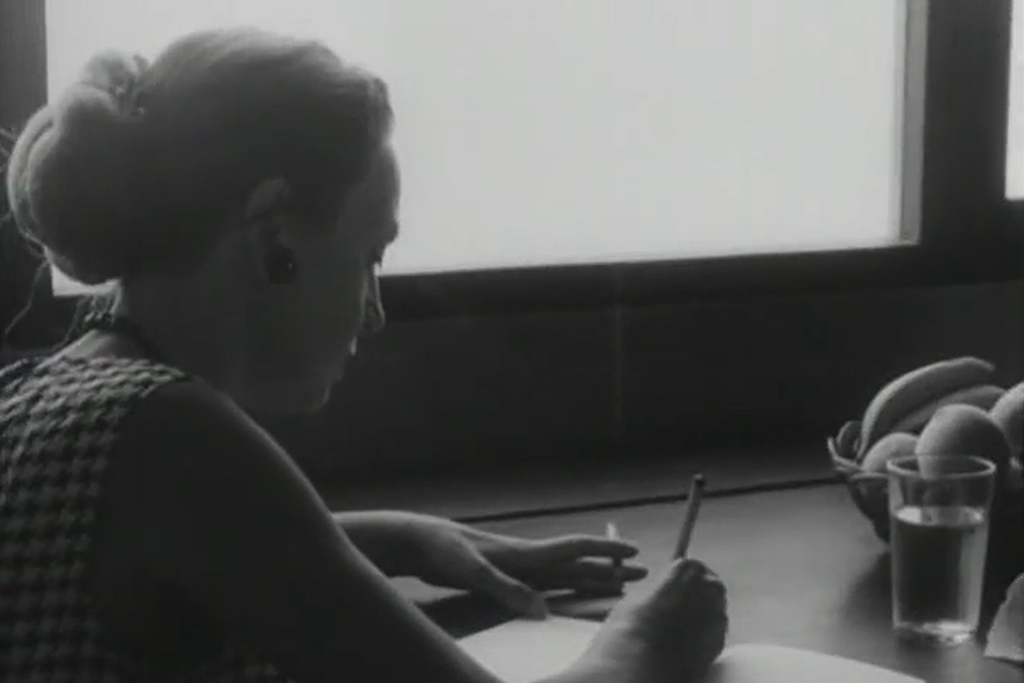
A journey through the natural landscapes, houses, streets, and cities that inspired the writings of Sophia de Mello Breyner
Meditation of the Duke of Gandia on the death of Isabel of Portugal
Will your face be pure, clear, and alive,
Nor your walk like a fleeting wave
Able to weave itself through the steps of time.
And never again will I give my life to time.
Never again will I serve a lord who can die.
The evening light shows me the wreckage
Of your being. Soon decay
Will drink your eyes and your bones,
Taking your hand in its own hand.
Never again will I love one who cannot live
Forever,
Because I loved as if eternal were
The glory, the light and the brilliance of your being.
I loved you in truth and transparency,
And not even your absence remains to me;
You are a face of disgust and denial,
And I close my eyes so as not to see you.
Never again will I serve a lord who can die.
Never again will I give you the pure time
That through lingering days I wove,
For time no longer returns to you,
And so I do not return, nor do I seek
The god I asked you for without hope.
Tour
Between the sea and poetry, follow in the footsteps of Sophia de Mello Breyner and immerse yourself in the places that nurtured her luminous work and her unique vision of freedom and beauty.
PortoGranjaLisbonLagosIn the Footsteps ofSophia de Mello Breyner Andresen
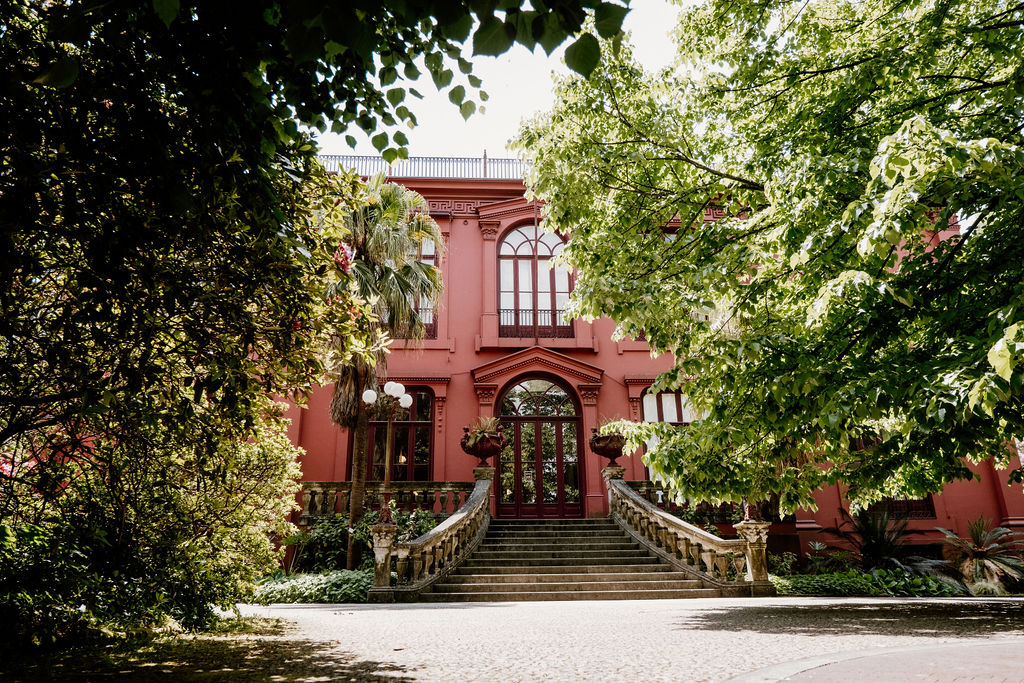
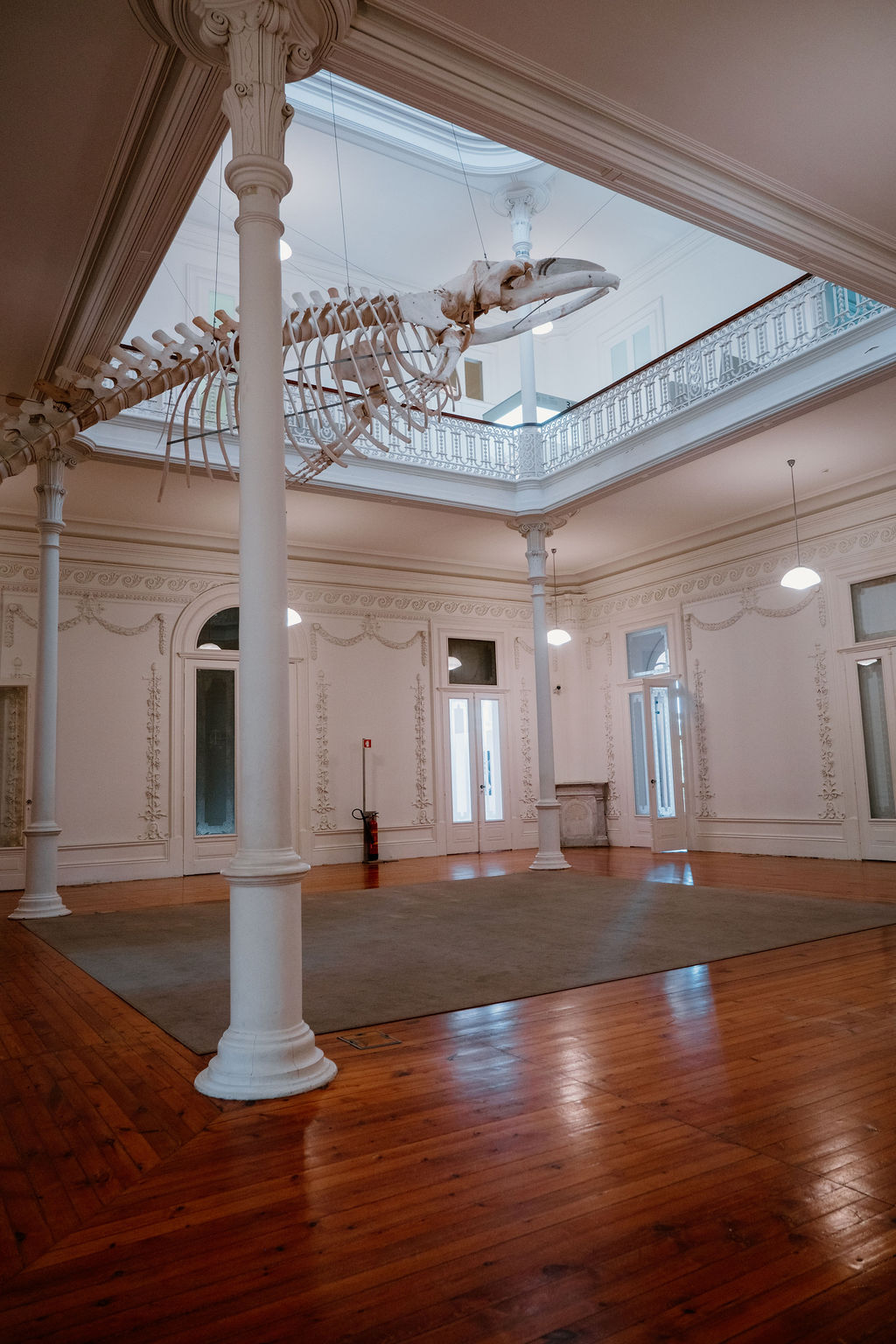
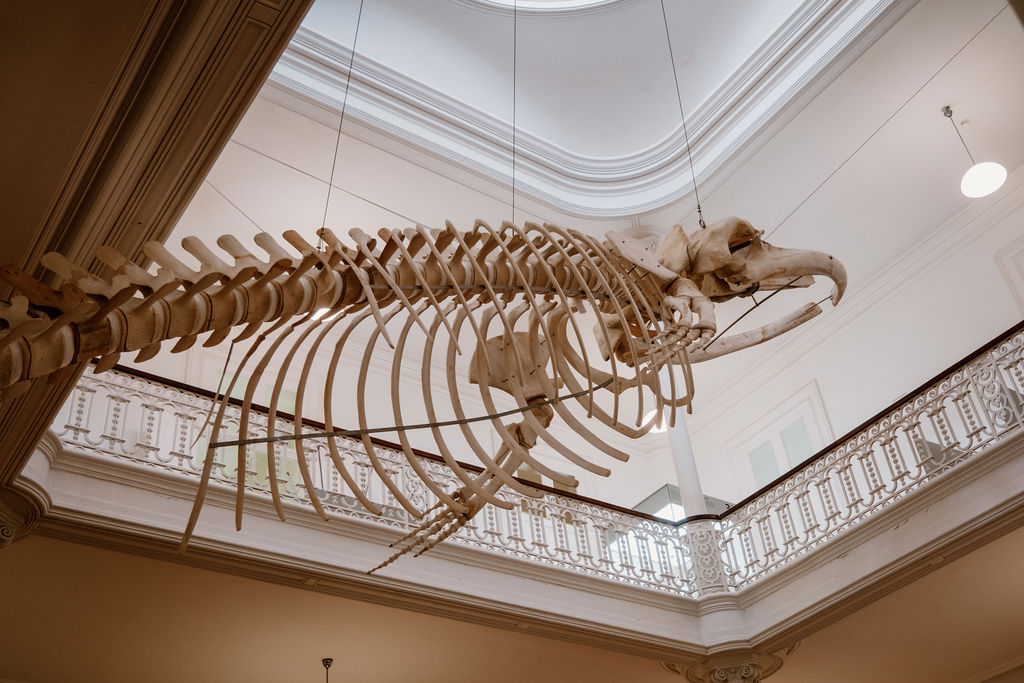
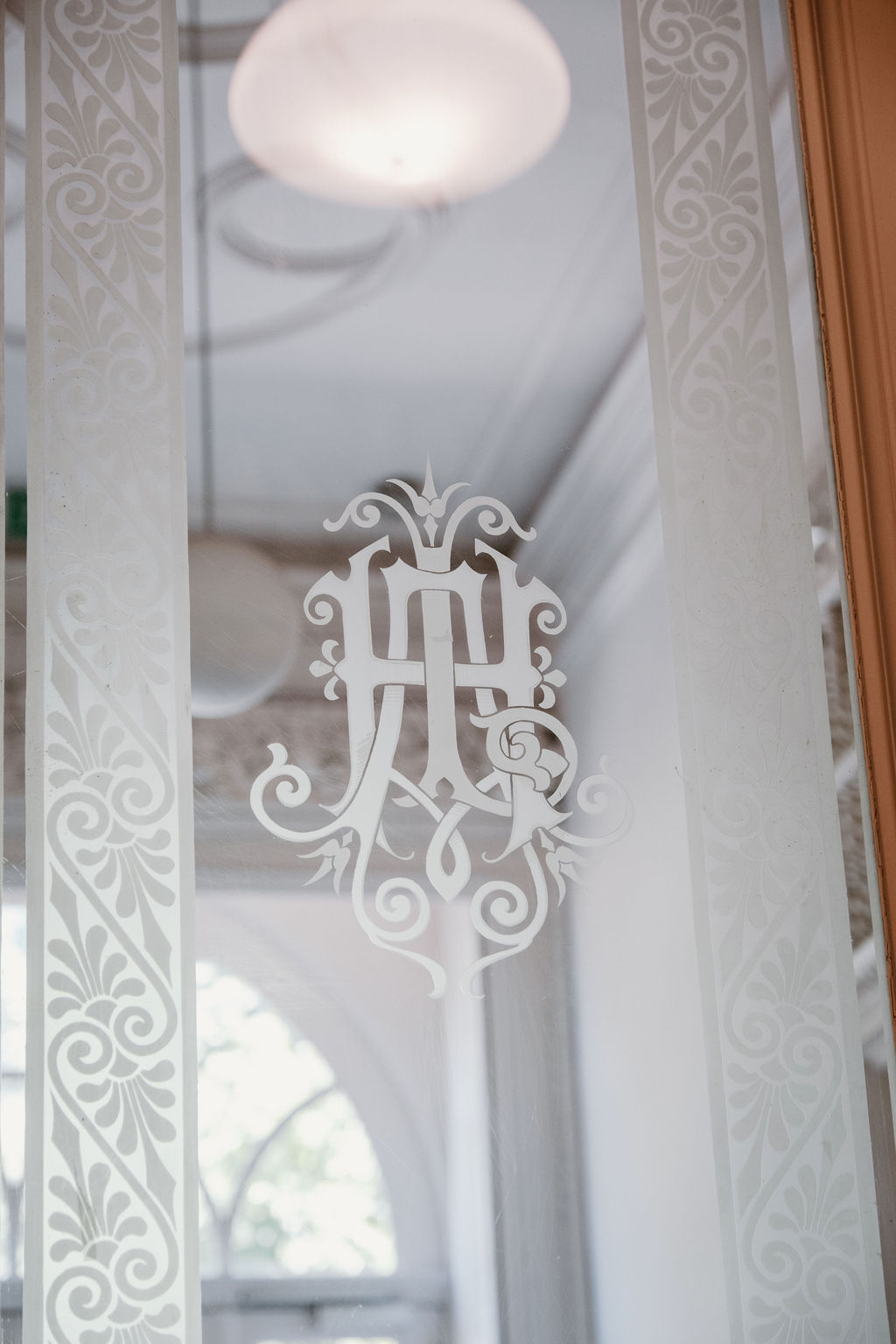
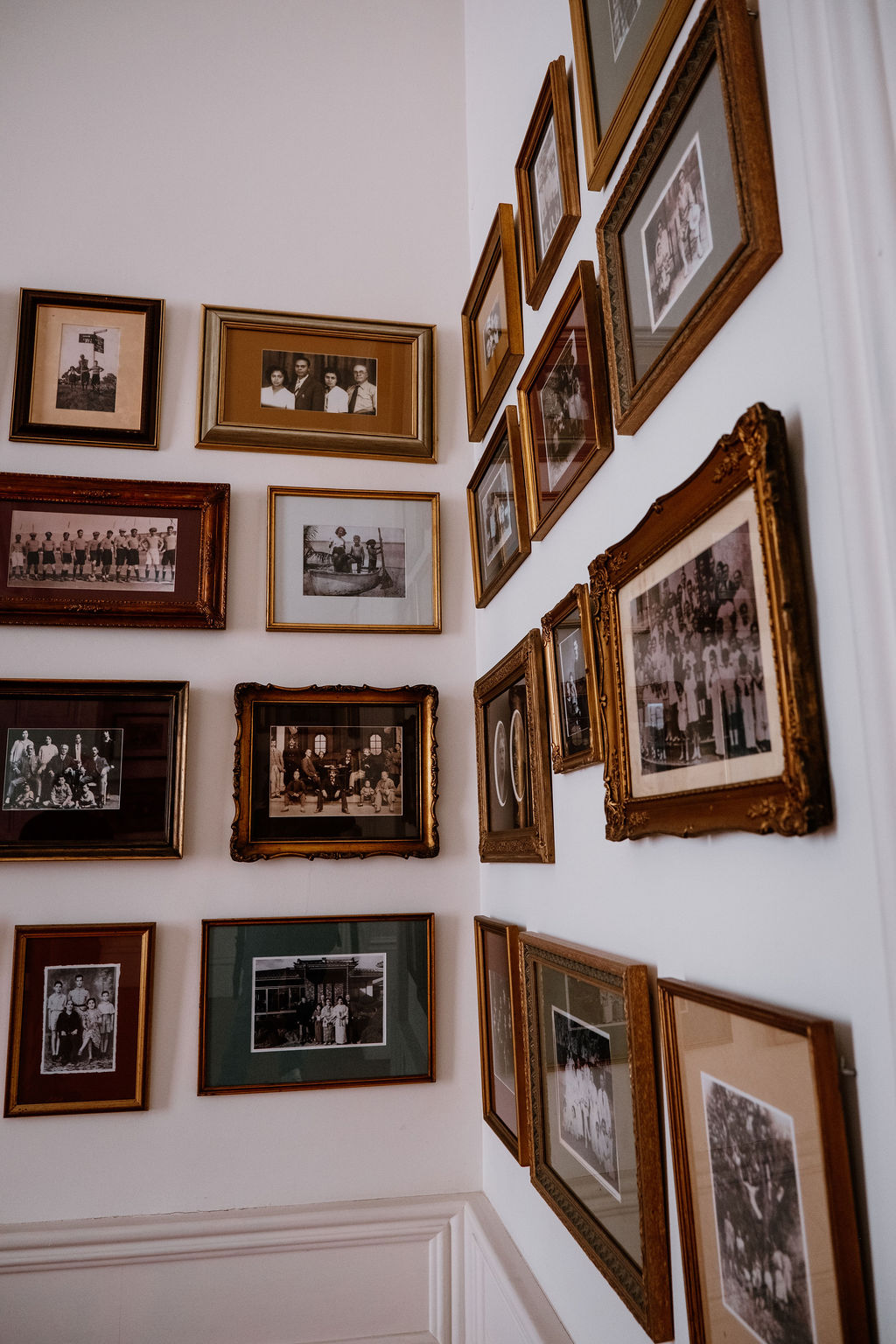
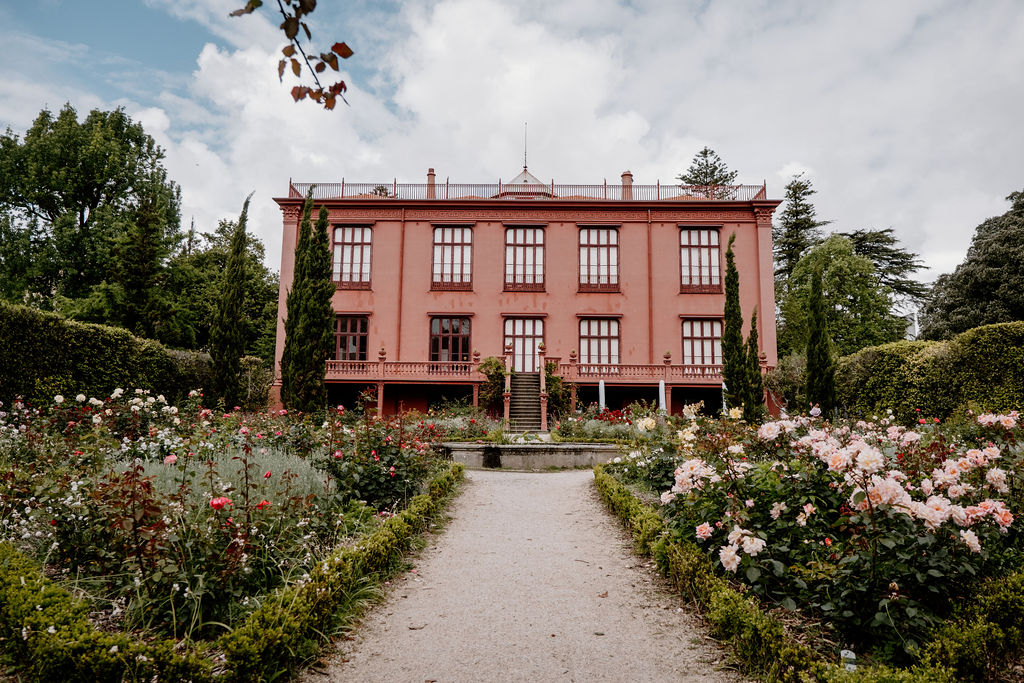
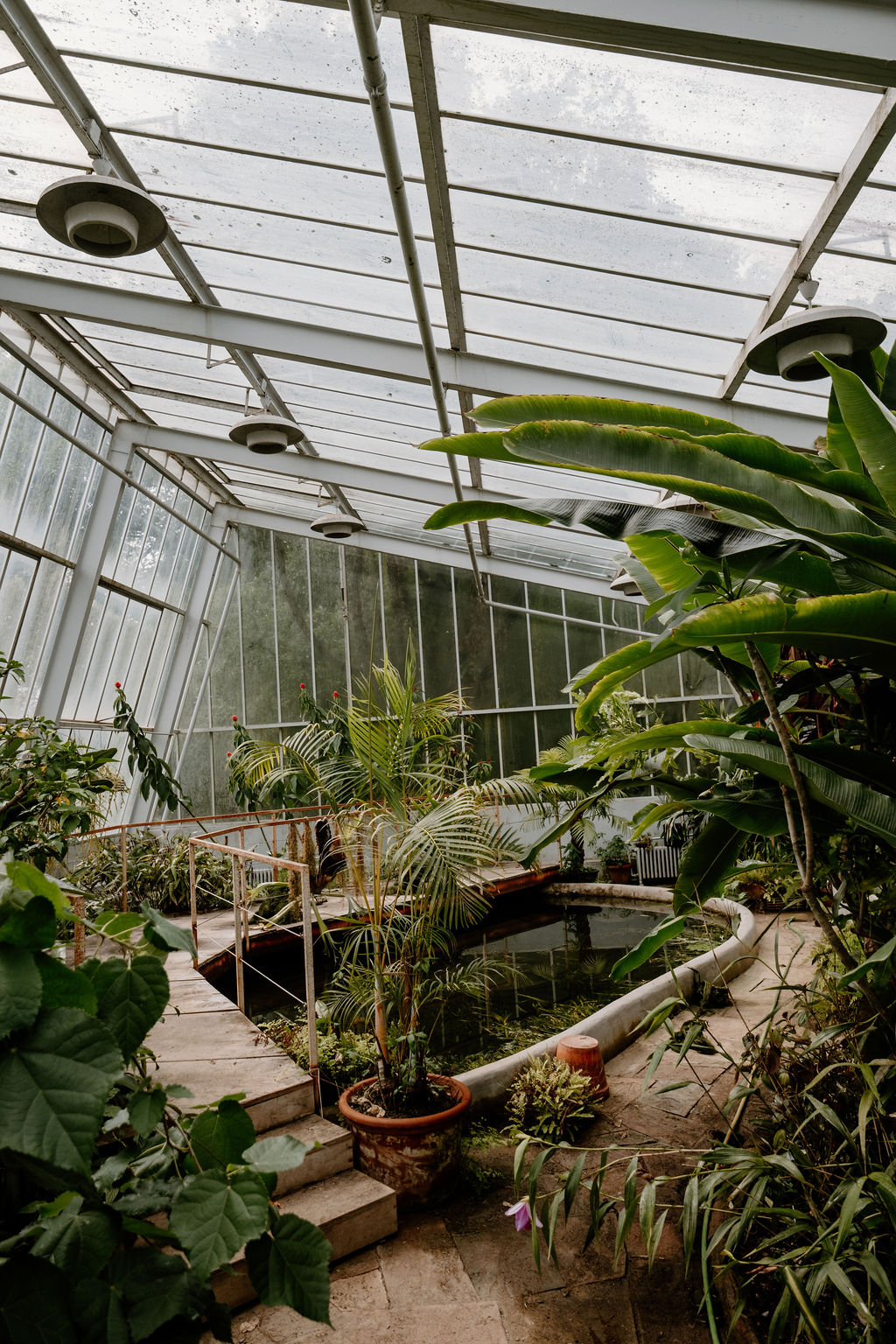
The Quinta do Campo Alegre, a historic 19th-century manor that today houses the Biodiversity Gallery – Centro Ciência Viva and the Porto Botanical Garden, was, until 1949, the home of Sophia de Mello Breyner’s grandparents. Having spent a significant part of her childhood and youth there, the writer made numerous references to the house and its gardens in her works. One highlight is the short story Saga, inspired by her great-grandfather’s journey, which narrates the voyage of young Hans, from Northern Europe until he lands in a southern city, where he becomes a prominent businessman and buys an estate atop a hill. In the same story, Sophia describes the house as being very large, particularly the central atrium, where, according to her, one could even fit a whale skeleton that was stored in the basements of the Faculty of Sciences. This description later inspired biologist Nuno Ferrand, in 2011, to transform the manor into the Biodiversity Gallery, inaugurated in 2017, fulfilling Sophia’s “dream” by suspending the Faculty’s huge whale skeleton in the central atrium.
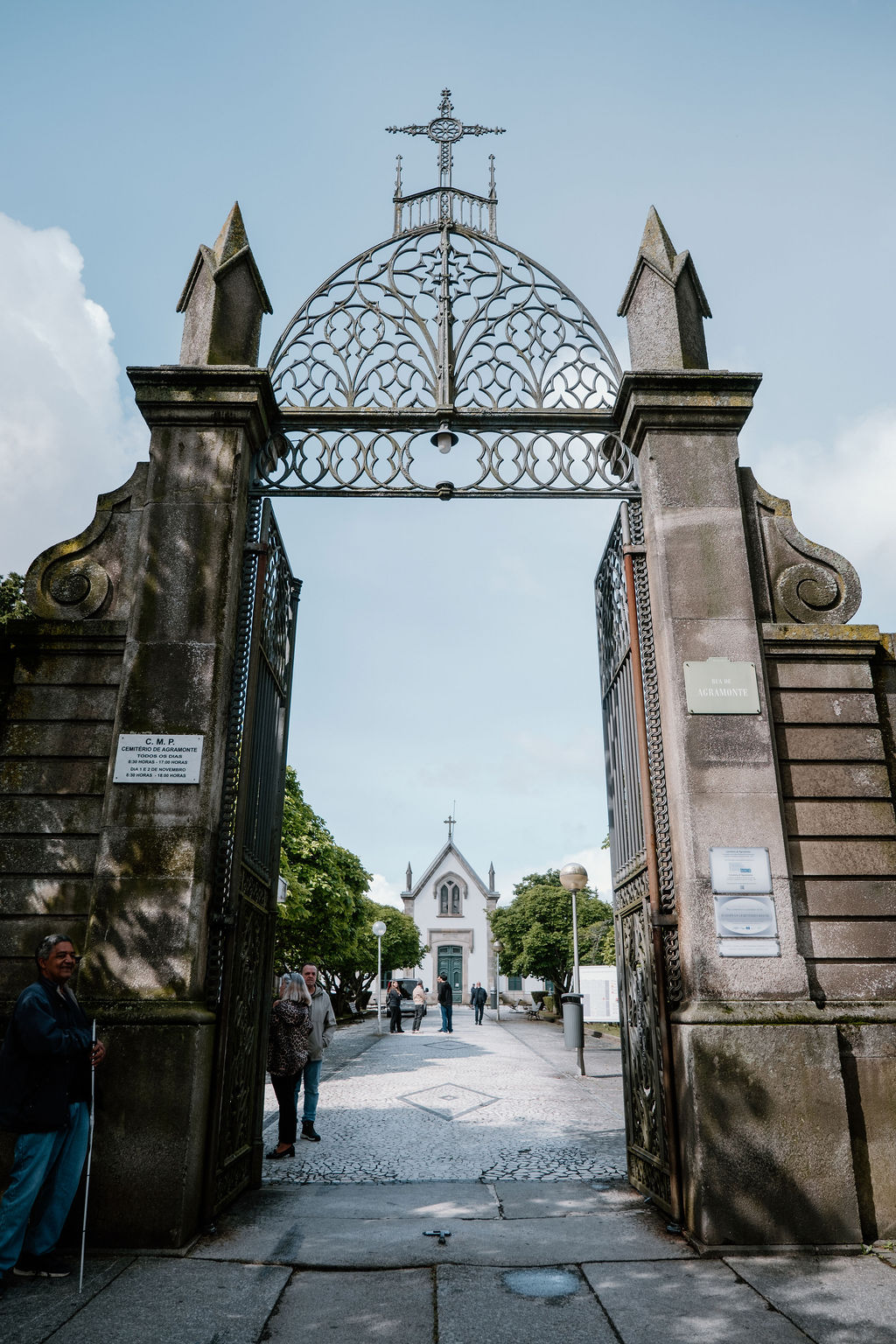
Despite being Porto’s second municipal cemetery, Agramonte Cemetery rivals the first in monumentality. Inaugurated in 1855, in response to the high death toll caused by a cholera epidemic, it features private sections of various religious orders, as well as an area specifically designated for non-Catholics. It is here that many Protestants are buried, among them Sophia de Mello Breyner’s great-grandfather and grandfather, Jan H. Andresen and João Henrique Andresen. While the former’s family tomb is adorned with sculptures of ships, nautical ropes and sails — symbols of the wealth amassed through trade and industry — the latter’s grave, belonging to the young man who left behind a wife and children, is marked by a sculpture by António Alves Pinto depicting Sophia’s grandmother mourning her husband’s death.
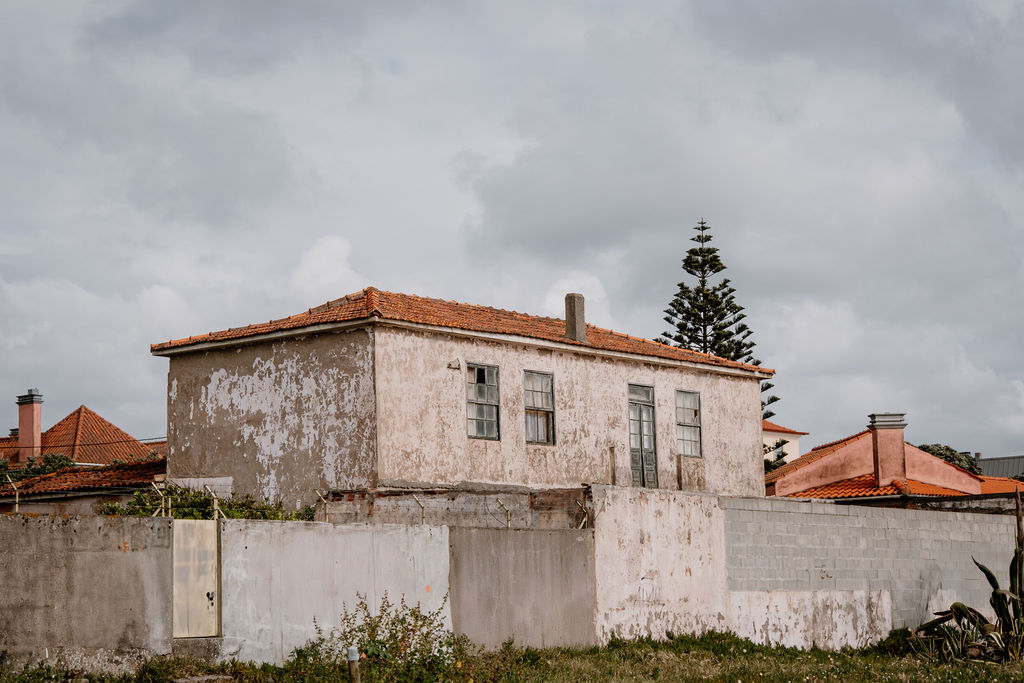
A place for holidays, rest and also work, the house at Granja — which still preserves the desk Sophia used as a child, where she signed her name at the age of 10 — and its beaches were immortalised in her poems and stories. This is the case with "Ondas", "Homens à beira-mar" or "Casa Branca", but also with "A Menina do Mar", a book inspired by a story her mother used to tell her: there lived a very small girl among the rocks... "That little girl represented perfect happiness to me because she had lunch in the sea, slept in the sea, lived in the sea…", Sophia once told Maria Armanda Passos in an interview.
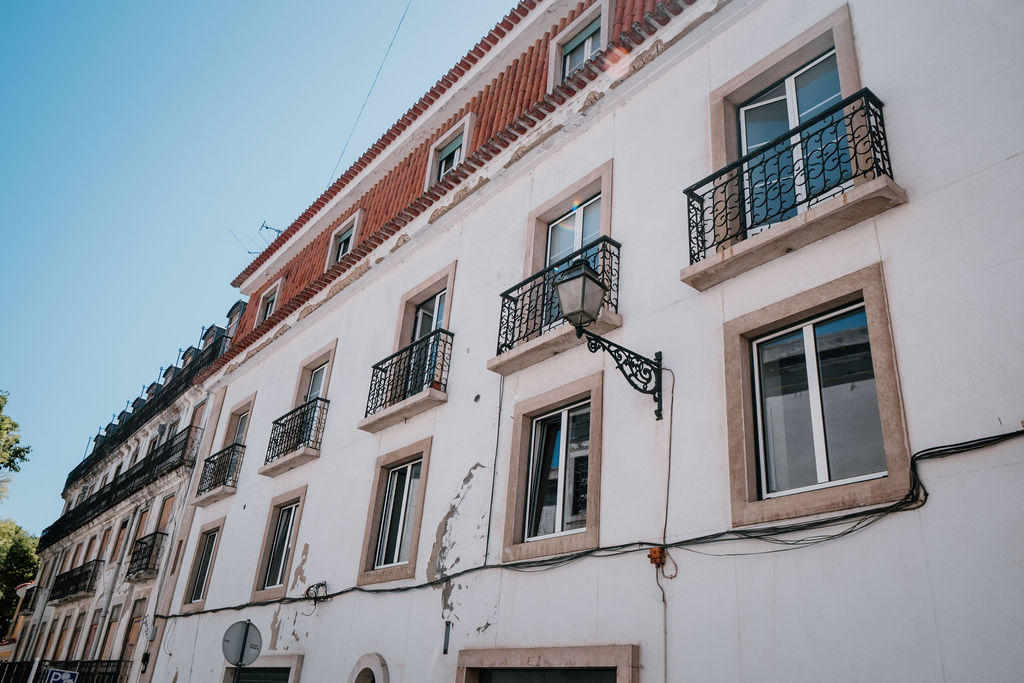
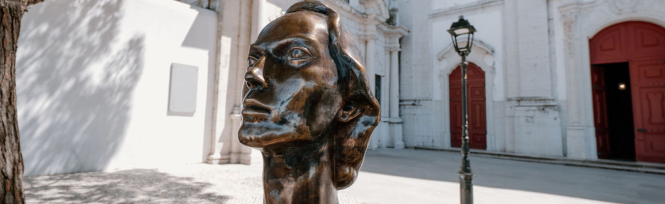
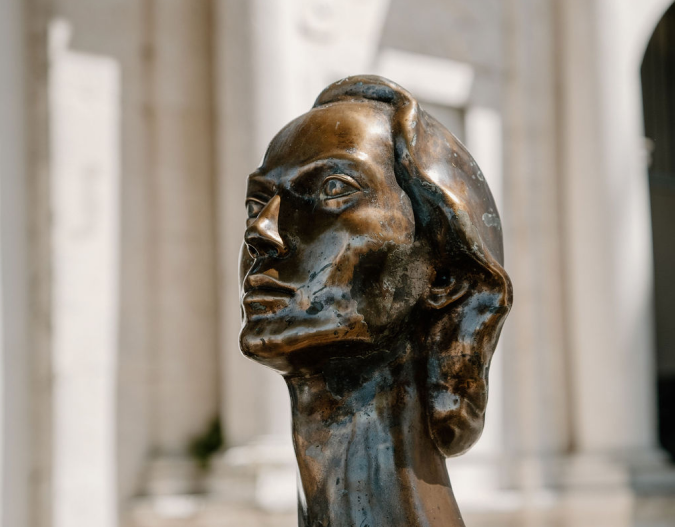
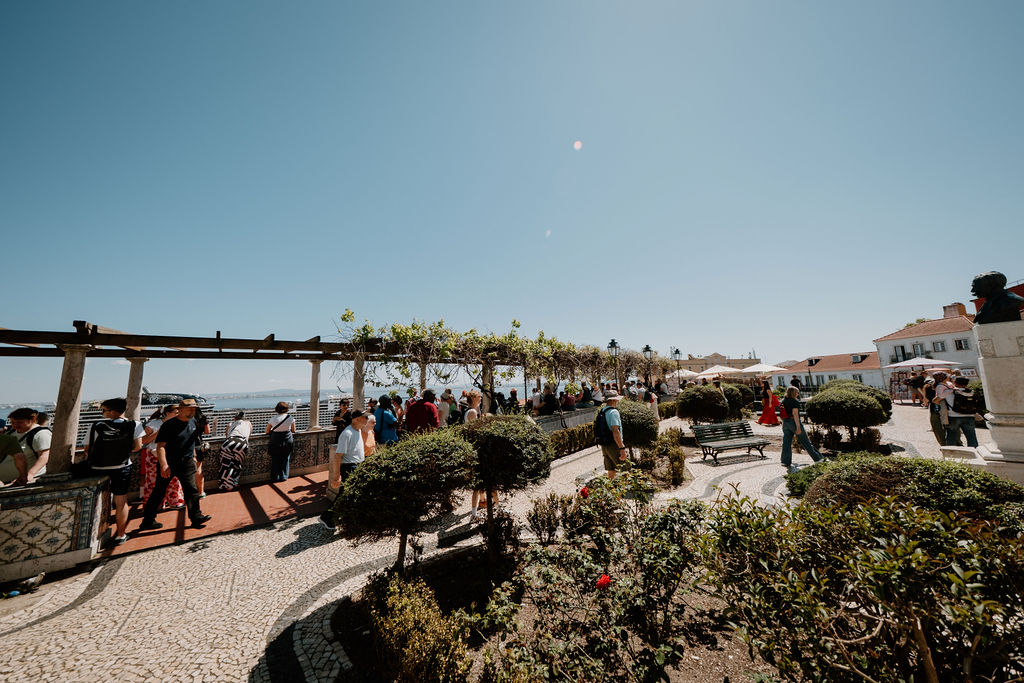
Although born in Porto, Sophia de Mello Breyner Andresen spent most of her life in Lisbon. She became deeply connected to the neighbourhood of Graça, where she moved in 1951 with her husband Francisco Sousa Tavares and their three children. After settling on the first floor of number 57, Travessa das Mónicas, she wrote a postcard to her mother saying that she had arrived in Graça, that the house was beautiful, and that she had spent the week unpacking and unwrapping everything her mother had sent. At the end of the street where the poet lived lies Jardim da Graça, also known as Jardim Augusto Gil. In its centre stands a statue of two winged figures, Mother and Son, evoking Greek culture and ancient mythology — a lifelong passion of Sophia’s. The garden also leads to the Miradouro da Graça, renamed Miradouro Sophia de Mello Breyner Andresen in 2009, where a monument featuring her bust — a replica of a bronze sculpture created by António Duarte in the 1950s — now stands.
The Tagus glimpsed behind a bend, the light of the day’s end, the silence of alleys and stairways lit by ‘melancholy lamps’, the ‘swaying masts of ships’, the glow of signs, bars, cinemas, the shimmer of the river waters under the morning sun. Accustomed to walking from her home in Travessa das Mónicas to Chiado, Sophia immortalised in dozens of poems the impressions she gathered during these walks, as the city unfolded before her eyes.
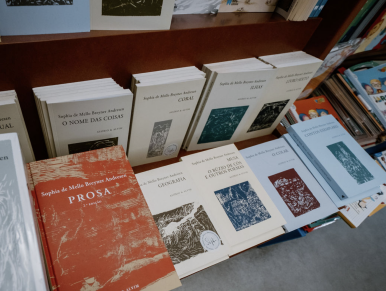
Even today, ‘when we walk / In haste or distracted along the streets’, there are places along this route worth our pause. Such is the case of the famous Santa Luzia Viewpoint, Lisbon Cathedral, or the Church of Saint Anthony, further down on the same street. Continuing downhill, beyond Rossio, one reaches the well-known Rua Augusta, which opens onto Terreiro do Paço through a triumphal arch, atop which there is a viewpoint, accessible by a lift and two steep flights of stairs. And in the Bertrand Bookshop in Chiado, the world’s oldest bookshop still in operation, there is a room dedicated exclusively to Sophia
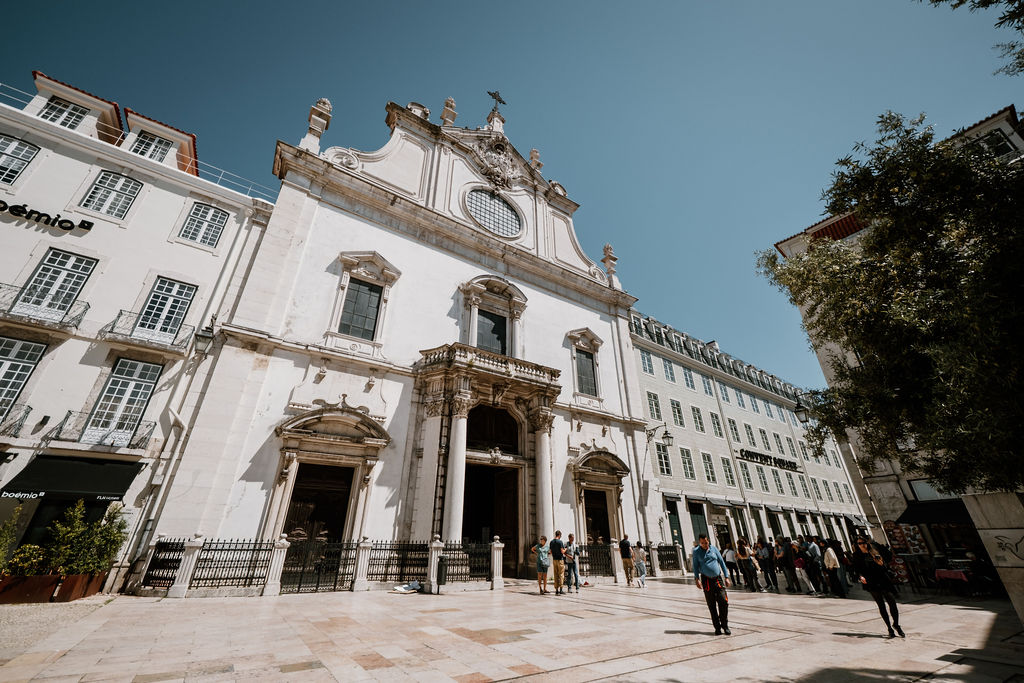
Sophia de Mello Breyner was among the more than 100 faithful who, on New Year’s Eve 1968, after a mass led by Cardinal-Patriarch Manuel Gonçalves Cerejeira, remained all night in vigil at this church. Their aim was to denounce the Church’s political alignment with the State and to protest publicly and collectively against the Colonial War being fought in Guinea, Angola and Mozambique. For the occasion, the poet wrote Cantata da Paz (“Vemos, ouvimos e lemos / Não podemos ignorar”), which was set to music by Francisco Fernandes and sung by Francisco Fanhais. Commissioned in 1241 by King Sancho II, the Church of São Domingos suffered not one, but two major earthquakes — in 1536 and again in 1755. However, its now blackened interior walls, which attract many visitors today, are the result not of those quakes but of a devastating fire on 13 August 1959, which caused the roof to collapse and destroyed priceless treasures, including a painting attributed to Josefa de Óbidos.
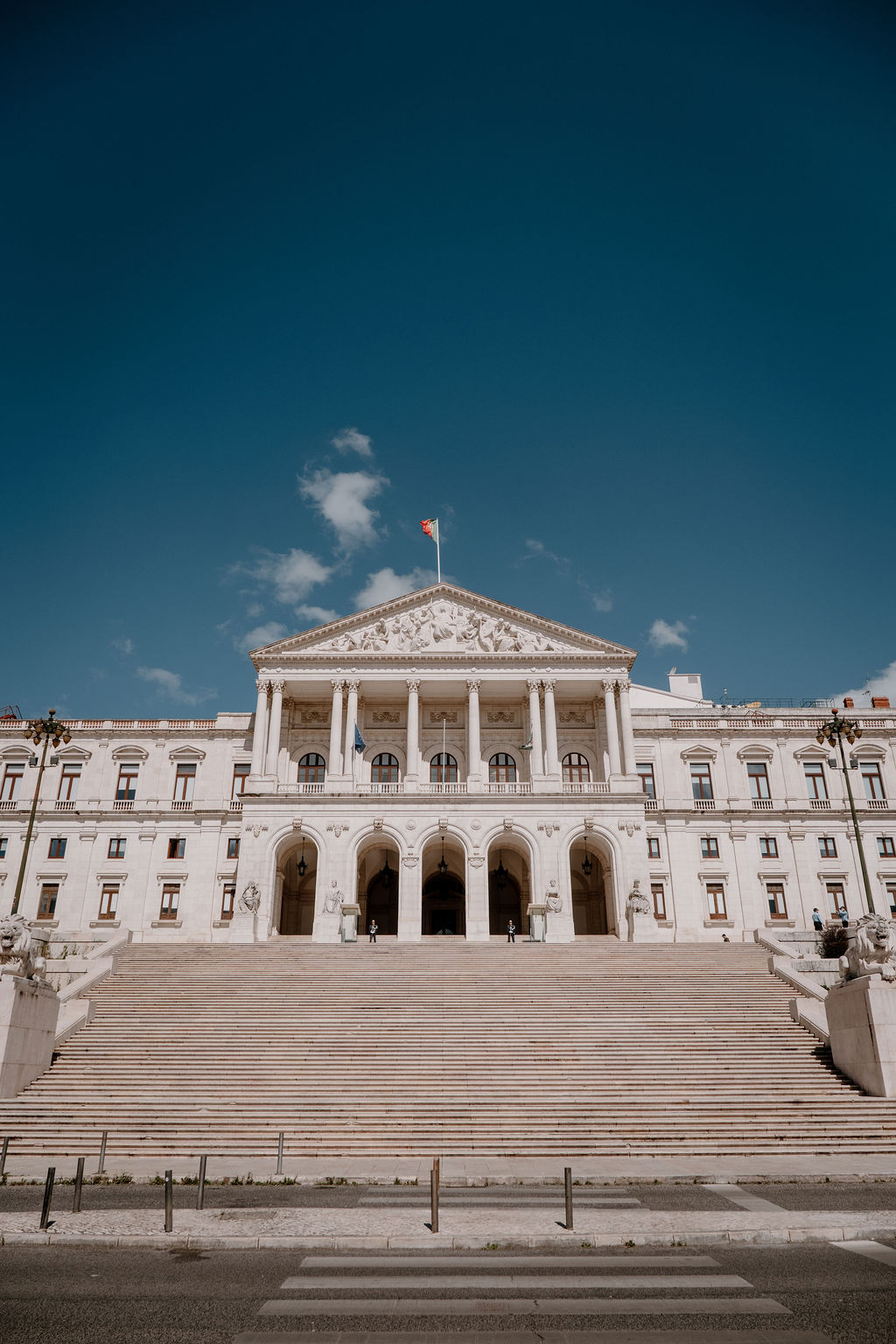
Built in the 16th century by the Black Benedictine monks, who were so named because of the colour of their habits, the Monastery of Saint Benedict, today the Palace of Saint Benedict and the seat of the Assembly of the Republic, has previously served as a prison, lodging house, burial place for strangers, refuge, depot for military regiment wreckage, military and patriarchal academy, provisional premises of the National Archive of Torre do Tombo, and Palace of the Courts. Then, in the 20th century, with the project led by Ventura Terra, the building underwent its most profound renovation, gaining the imposing appearance deemed fitting for the sovereignty body it housed: the Parliament. It was precisely in this Parliament that, between 1975 and 1976, Sophia de Mello Breyner sat as a Deputy elected by the Socialist Party to the Constituent Assembly, following the elections held on 25 April 1975, one year after the Revolution. In the Hemicycle, as in her poems, she used carefully chosen words to speak of what she considered urgent. This was the case during the debate about freedom of cultural creation, in which she argued that “culture does not exist to adorn life, but rather to transform it – so that man may build and build himself in conscience, truth, freedom, and justice.”
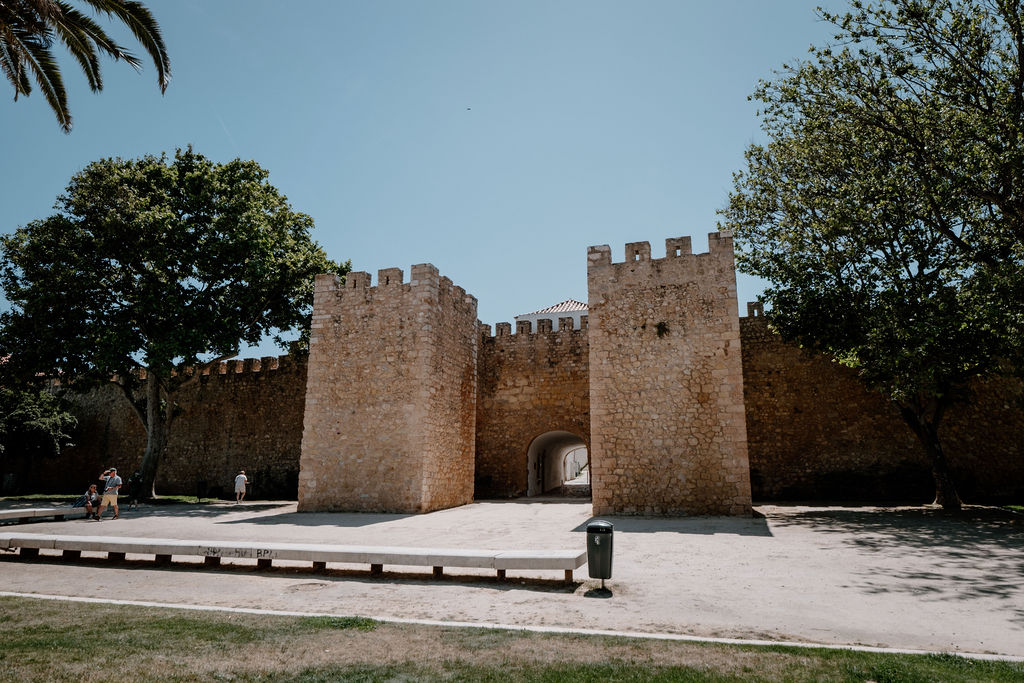
Sophia de Mello Breyner discovered Lagos in the 1960s, where she established a holiday home. Enchanted by the city, she dedicated dozens of texts and poems to it. One of the most famous is O Caminho da Manhã (The Morning Path), a poetic description of the route she used to take from her house to the Municipal Market, written when she needed to explain it to her housekeeper. To recreate the walk, simply follow a dirt road until you reach the São Gonçalo Gate and the old city walls, then continue through several narrow streets until arriving at Praça Infante Dom Henrique, where a statue stands at its centre. Next, walk past a tall yellow wall and enter the Municipal Market, where a tile mural now displays the full text of O Caminho da Manhã. Elsewhere in the city, Sophia’s face appears in two murals — one at the Sophia de Mello Breyner Andresen Primary School, and another on the façade of a building near the Santo Amaro Municipal Market. Both were painted by João Samina in 2019 to mark the centenary of Sophia’s birth.
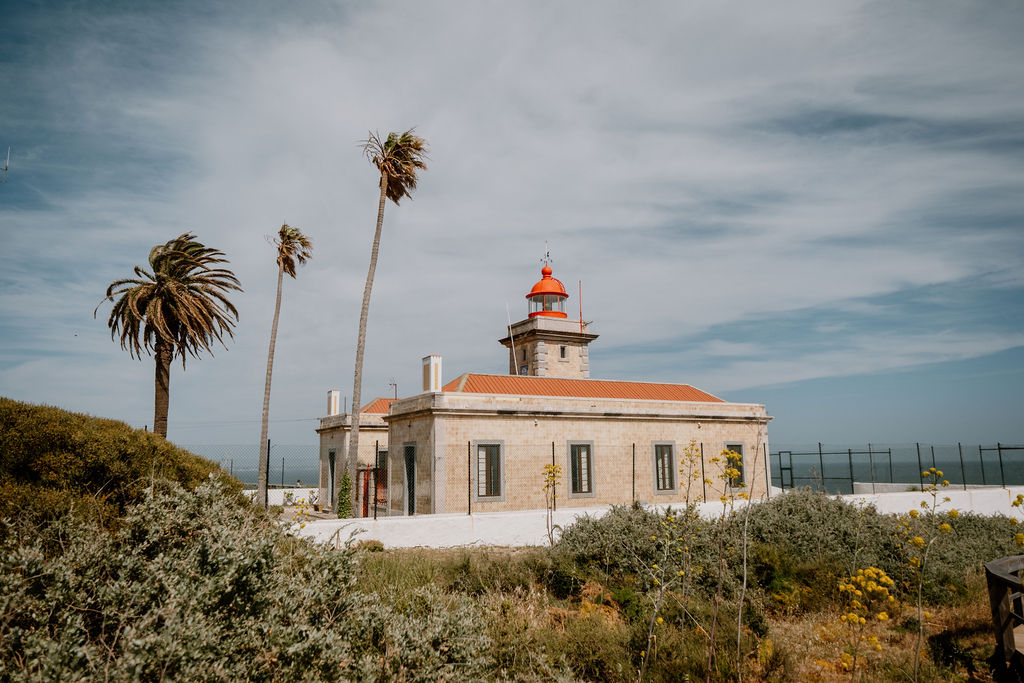
Around Ponta da Piedade, located 3 km from Lagos, there is a wide variety of caves and rock formations that Sophia de Mello Breyner visited often and described in texts such as As Grutas (The Caves) and Gruta do Leão (The Lion’s Cave). In an interview with José Carlos Vasconcelos, she spoke of “the caves at Praia de Dona Ana, where we used to go in little rowing boats, with no noise, no smell of petrol — we would arrive and they were deserted (‘splendour hovered solemnly over the sea’) — of calm and marvellous cities.” As a tribute to her deep affection for the place, one of the caves was named the Cave of Sophia. Today, the landscape that so captivated the poet can be visited not only by boat but also via various trails. These depart from Praia do Camilo and follow the cliffs to the Ponta da Piedade lighthouse — passing natural pools — or along the Ponta da Piedade Boardwalk, which links the lighthouse to Praia do Canavial along a 2.5 km route.
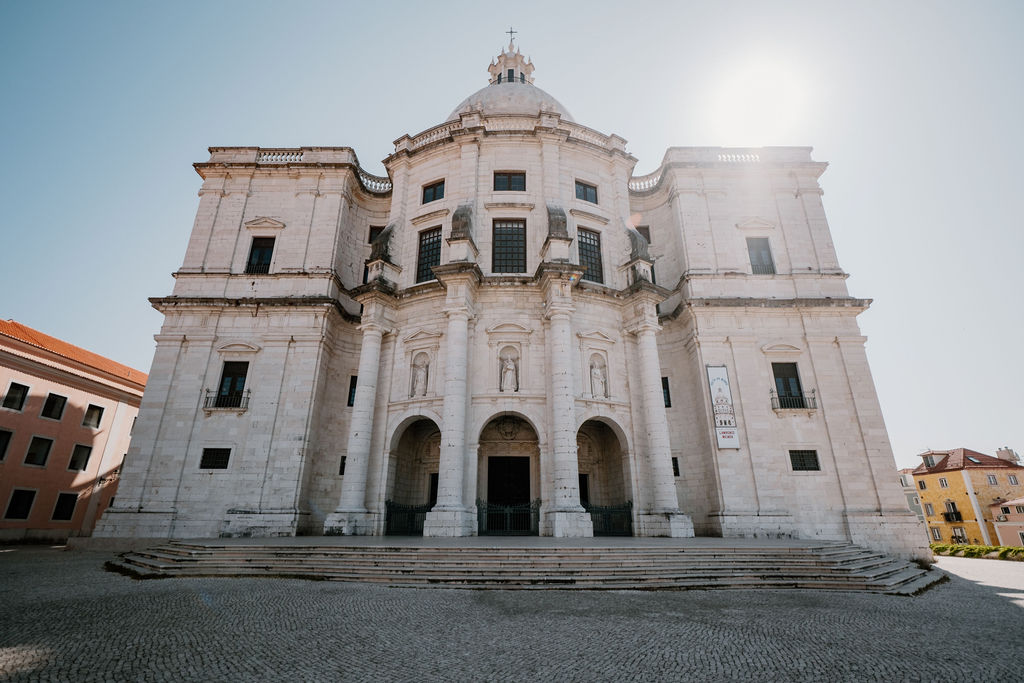
In 2014, ten years after her death, Sophia de Mello Breyner was transferred to the National Pantheon as a way to honour “the universal writer, the dignified woman, the courageous citizen, the distinguished Portuguese” and to evoke her example of “faithfulness to the values of liberty and justice,” according to the resolution project of the Assembly of the Republic. She thus became the second woman, after Amália Rodrigues, to receive such an honour, joining other great figures of Portuguese culture such as the writers Almeida Garrett, Aquilino Ribeiro, Guerra Junqueiro, and João de Deus. Located in the historic Santa Clara area, the National Pantheon occupies the building originally intended to be the Church of Santa Engrácia, which, despite having been founded in the 16th century and completely rebuilt at the end of the 17th century, remained without a roof until the 1960s, when the Estado Novo regime decided to complete it and transform it into the Pantheon, which was inaugurated in 1966 on the occasion of the 40th anniversary of the regime.
ANDRESEN HOUSE (PORTO)
The Quinta do Campo Alegre, a historic 19th-century manor that today houses the Biodiversity Gallery – Centro Ciência Viva and the Porto Botanical Garden, was, until 1949, the home of Sophia de Mello Breyner’s grandparents. Having spent a significant part of her childhood and youth there, the writer made numerous references to the house and its gardens in her works. One highlight is the short story Saga, inspired by her great-grandfather’s journey, which narrates the voyage of young Hans, from Northern Europe until he lands in a southern city, where he becomes a prominent businessman and buys an estate atop a hill. In the same story, Sophia describes the house as being very large, particularly the central atrium, where, according to her, one could even fit a whale skeleton that was stored in the basements of the Faculty of Sciences. This description later inspired biologist Nuno Ferrand, in 2011, to transform the manor into the Biodiversity Gallery, inaugurated in 2017, fulfilling Sophia’s “dream” by suspending the Faculty’s huge whale skeleton in the central atrium.
ANDRESEN HOUSE (PORTO)
Main Façade


With Talk2me, you can interact with the places, ask for recommendations on nearby attractions to visit, and discover fascinating details that will transform your trip